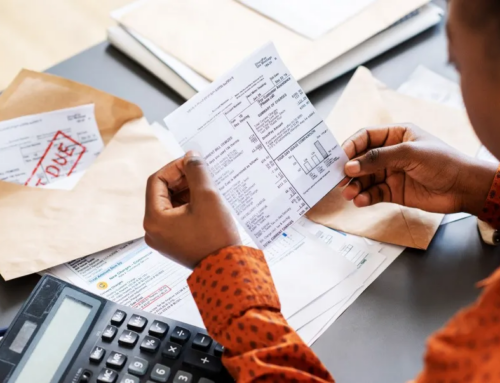
A lot of renters assume they have no say in how their apartment gets its electricity or gas. They sign the lease, pay the bills that show up, and never think twice about it. But in states like New York and Ohio, where the energy market is open to competition, the reality is more nuanced, and in many cases more in your favor than you’d think.
The short answer is: it depends on whose name is on the utility account. Here’s what that actually means for you.
The one thing that determines everything
In New York and Ohio, the right to choose your own energy supplier belongs to whoever holds the utility account. If your name is on the gas or electricity bill, you are the account holder, which means you can pick your supplier, not your landlord.
New York opened its electricity and natural gas markets to competition in the 1990s, according to the NY Department of Public Service (DPS). Since then, residential customers have had the right to choose between their local utility and a competitive third-party supplier. Ohio launched a similar program in 1999, where both everyday households and large businesses can shop among suppliers certified by the Public Utilities Commission of Ohio (PUCO).
In both states, the right to choose follows the account, not the building.
So what’s your situation?
Before you can know whether you can choose your supplier, you need to know one thing: how is your utility set up?
There are three common setups in apartments:
Your name is on the utility bill. This is the clearest case. You set up the account when you moved in, and you pay the utility directly every month. In this situation, you have full supplier choice. You can stay with the default utility, or you can shop for a certified supplier in your area.
Utilities are included in your rent. This means the landlord holds the utility account and pays the bills themselves; your rent covers those costs. In this case, you have no direct say in who supplies the energy, because the account is not in your name.
Your building uses a submetering company. This is common in some larger apartment complexes. A third-party company purchases energy in bulk and resells it to individual tenants, billing you separately. Historically, submetered tenants in Ohio had very limited rights, including no ability to choose their own supplier. That is actively changing. In April 2026, the Ohio Supreme Court ruled that submetering companies are public utilities subject to PUCO regulation, a landmark decision that the Office of the Ohio Consumers’ Counsel (OCC) has called a major step toward giving apartment residents the same rights as every other Ohio energy customer.
What to check before signing a lease
The OCC, which serves as Ohio’s independent residential utility consumer advocate, specifically recommends that tenants understand how they will receive and pay for utility services before signing a lease agreement. It is much easier to ask these questions before you sign than to deal with surprises after you have already moved in.
Here is what to find out upfront:
Who holds the utility account? Ask the landlord directly: is the gas and electricity in the tenant’s name or the building owner’s name? If utilities are included in rent, ask if that is fixed for the duration of your lease.
Does each apartment have its own meter? Individual meters mean individual accounts, which typically gives each tenant their own billing relationship with the utility. Shared or master meters mean the building is billed as a whole, and what you pay is calculated differently.
Is there a submetering company involved? If so, ask who they are and whether you will have any choice in who supplies your energy. Ask what happens if you have a billing complaint. Given the ongoing legal developments in Ohio, this is especially important for tenants there.
In New York specifically: Under New York Real Property Law §235-a, landlords can only charge tenants for utilities consumed exclusively by them. If your meter also serves a hallway, common area, or another apartment, the landlord is responsible for those charges, not you. The NY DPS also requires utilities to investigate any suspected shared meter situation if a tenant requests it, per the NY DPS guide on residential rights under HEFPA.
What your rights look like once you have your own account
If the utility is in your name, you are covered by consumer protection laws in both states that govern how suppliers must treat you.
In New York, the Home Energy Fair Practices Act (HEFPA) was extended in 2002 to cover customers of competitive suppliers, not just utility customers. This means that whether you stay with Con Edison, National Grid, or switch to another licensed supplier, you are entitled to the same core consumer protections: fair billing, a complaint process, and proper termination notice before service is shut off.
In New York, you also have a three-day right to back out. Residential customers can cancel a supplier agreement within three business days of receiving it, without any penalty, per the NY DPS.
In Ohio, the OCC strongly cautions tenants not to feel pressured into switching suppliers. Marketers often approach renters by phone, by mail, or door-to-door, and you are under no obligation to sign up with any of them, the OCC states. It is also strongly recommended that you never show your utility bill or share your account number with a marketer unless you have already decided to make a change.
Where to go if something feels wrong
Both states have independent agencies that handle energy complaints from residential customers.
In New York, the NY DPS Consumer Services Hotline handles supplier-related complaints and can be reached at 1-800-342-3377, or online at dps.ny.gov.
In Ohio, the PUCO Consumer Services Division accepts utility complaints at 1-800-686-7826 or through an online form. The OCC also serves as a free, independent advocate for Ohio residential customers.