Electricity demand isn’t constant throughout the day, just as traffic during rush hour, energy systems experience “peak times” when many people use electricity at once. These peak-demand periods can put stress on the grid—and raise your bill.
But with a few smart habits, you can use energy more efficiently and even help reduce the load on your local system. Here are some simple, practical electricity usage tips for managing high energy demand at home.
What is peak demand—and why does it matter
Peak demand refers to the hours when the most electricity is being used across your area. These usually happen:
- Weekdays between 4 PM and 9 PM, when people return home from work or school
- During very hot or cold days, when heating or cooling systems are running constantly
When everyone uses electricity at the same time, power providers often rely on backup sources that are more expensive and less efficient. That can lead to higher energy rates and even strain the system.
According to the U.S. Energy Information Administration (EIA), electricity prices tend to spike during peak demand periods due to increased generation and delivery costs.
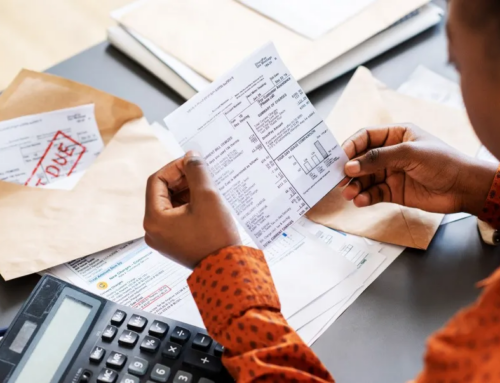
How peak demand affects your energy bill
Some utility companies charge time-of-use (TOU) rates, where electricity costs more during peak hours. Even if you don’t have TOU pricing, cutting back during these times helps the environment and supports a more stable energy grid.
That’s where innovative energy management makes a real difference.
Top electricity usage tips to reduce energy during peak times
You don’t need to change your lifestyle—just shift your habits a bit. These minor adjustments can go a long way in managing high energy demand:
Run appliances during off-peak hours
Do your laundry and dishes, and charge overnight or early in the morning. Avoid using large appliances, such as dryers or ovens, between 4 PM and 9 PM.
Pre-cool or pre-heat your home
Use your thermostat to cool or heat your home just before peak hours begin. Then, let the temperature drift a few degrees during peak time to reduce HVAC use.
Unplug or power down unused electronics
Many devices use energy even when they’re “off.” Unplug items like game consoles, microwaves, or coffee machines when not in use—especially during peak hours.
Use smart plugs or timers
Set lights or devices to turn off automatically during certain hours. Smart home systems make it easier to control usage without having to think about it.
Take advantage of natural light and ventilation
Open blinds instead of using lights, or crack a window for airflow instead of running the AC. Small choices can lower your electricity use during busy times.
Make it a household habit
If everyone in your home joins in, the impact is even greater. Try these:
- Delay turning on the dishwasher until bedtime
- Cook meals earlier or prep cold dishes during peak hours
- Charge electric vehicles or devices overnight
Even just spreading out your energy use across the day helps reduce demand on the system.
Managing high energy demand just takes awareness. By avoiding heavy electricity use during peak hours, you can lower your bills, reduce pressure on the energy grid, and help support a cleaner, more efficient system.
At Kiwi Energy, we believe in empowering customers to make wise, sustainable choices. Want to learn more about how your energy plan supports the environment? Visit www.kiwienergy.us